Best Equipment for Home Fermentation (Ultimate Guide)
Home fermentation does not require expensive or professional equipment, but it does require the right tools. Using proper fermentation equipment improves safety, consistency, flavor, and success—especially for beginners.
This ultimate guide explains exactly what equipment you need, what is optional, and how to choose tools based on the type of fermentation you want to make at home.
Why Proper Fermentation Equipment Matters
Fermentation is a controlled biological process. The goal is to encourage beneficial microorganisms while preventing harmful ones.
The right equipment helps you:
- Maintain anaerobic conditions (no oxygen)
- Control temperature and pH
- Prevent mold and contamination
- Achieve repeatable results
Poor equipment choices are one of the most common causes of fermentation failure.
Essential Equipment for Home Fermentation
These tools form the foundation of nearly all successful home fermentation projects.
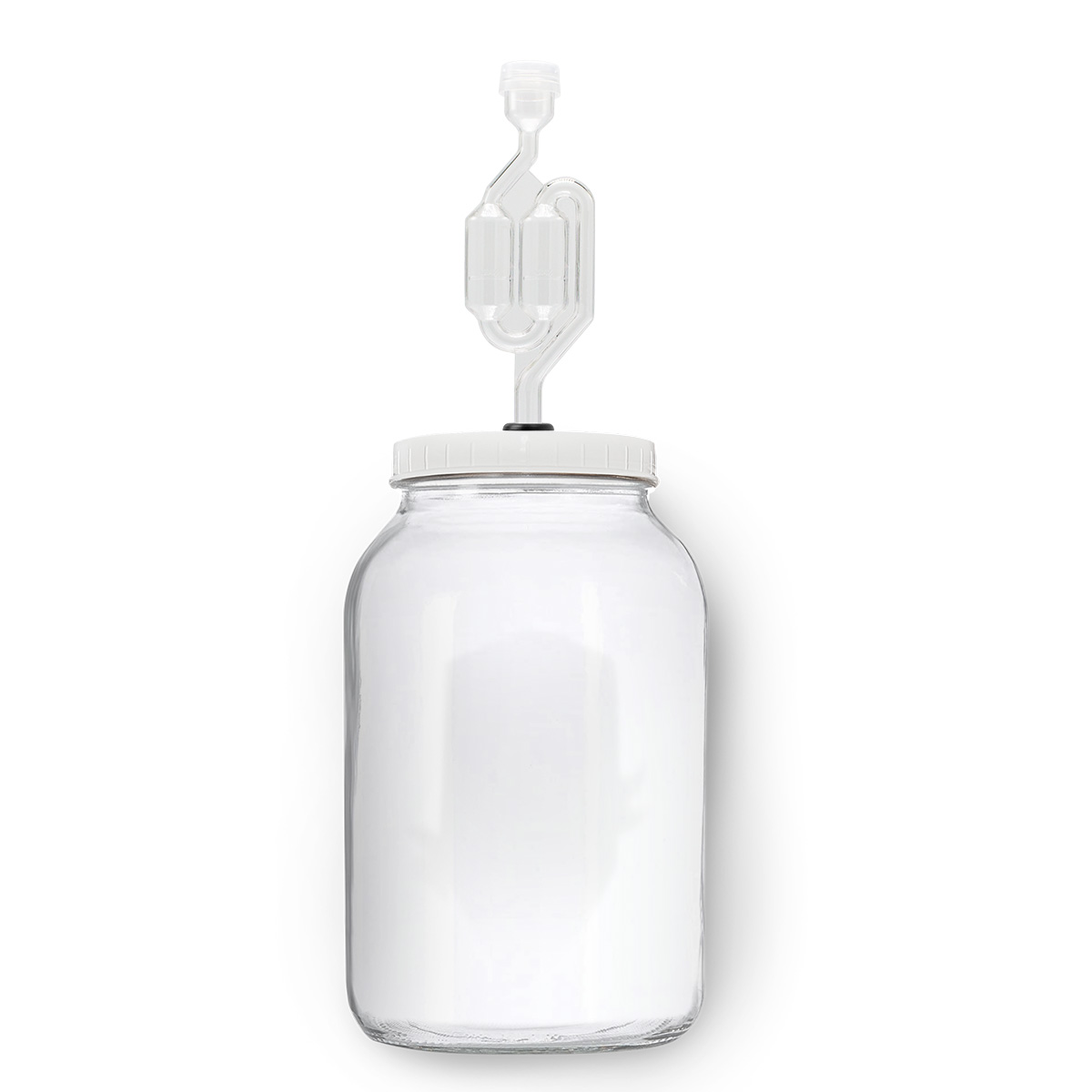
1. Fermentation Jars and Containers


4
Best jars for fermentation
- Glass jars (Mason jars) – most versatile and beginner-friendly
- Ceramic crocks – ideal for larger vegetable ferments
- Food-grade plastic containers – acceptable but less preferred
What to Look For
- Non-reactive material (glass or ceramic)
- Wide mouth for easy cleaning
- Airtight compatibility
Glass jars remain the best starting point for most home fermenters.
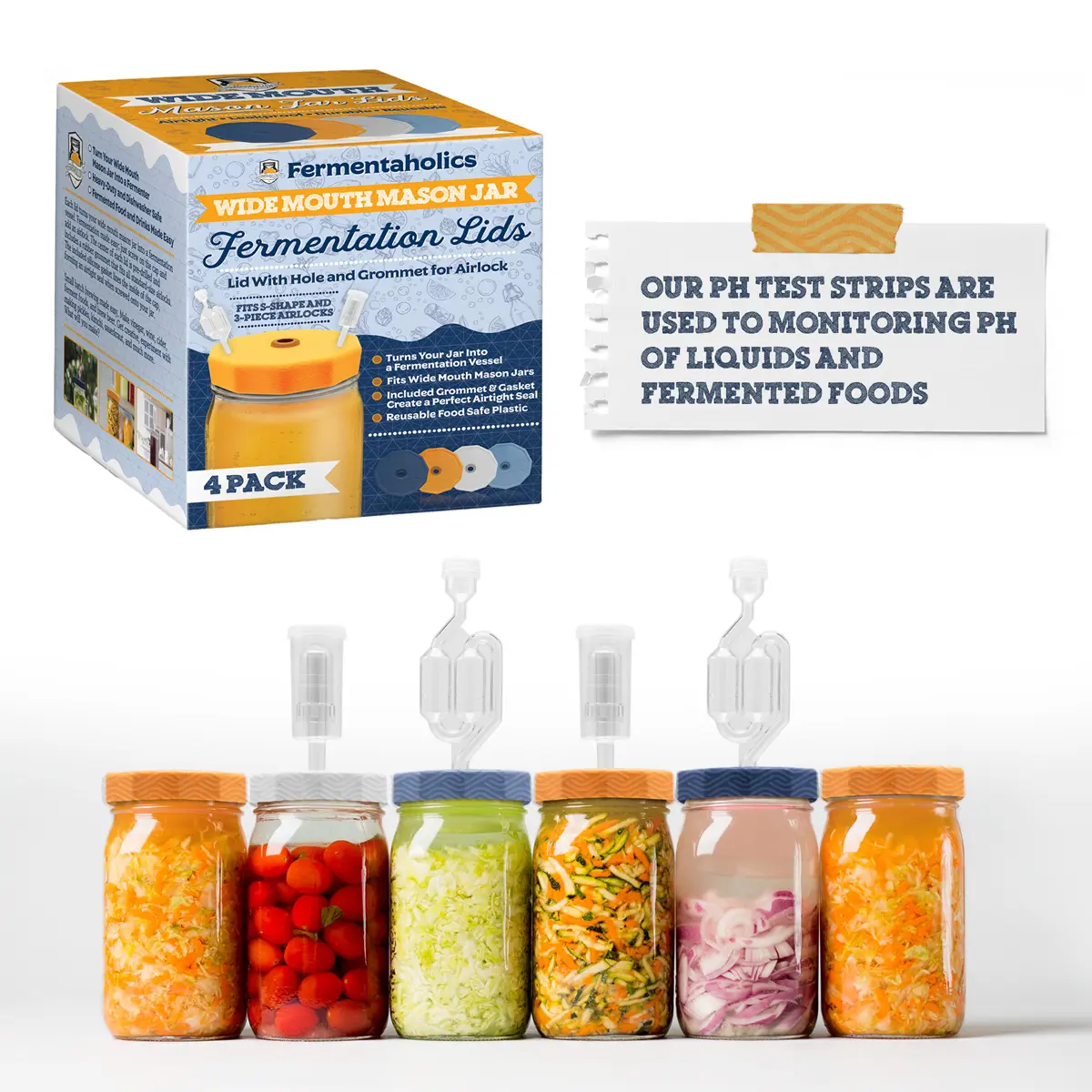
2. Airlocks and Fermentation Lids
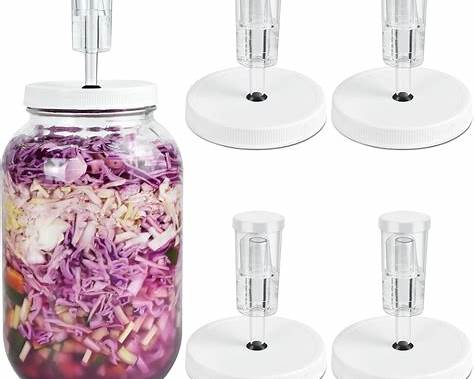


Airlocks allow carbon dioxide to escape while preventing oxygen from entering.
Common Types
- Water airlocks – traditional and reliable
- Silicone one-way lids – simple and maintenance-free
Airlocks are especially important for:
- Sauerkraut
- Kimchi
- Kombucha secondary fermentation
3. Fermentation Weights
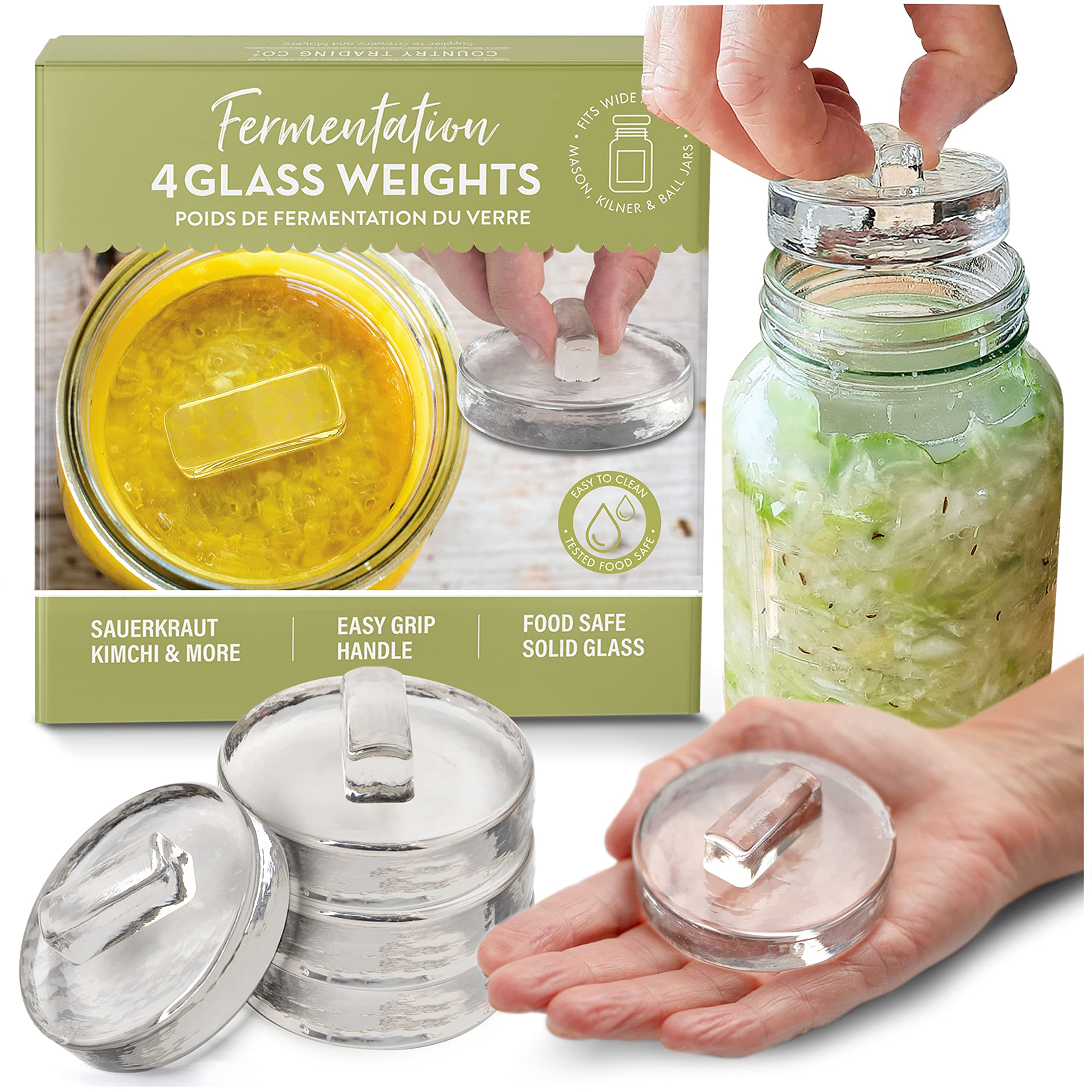
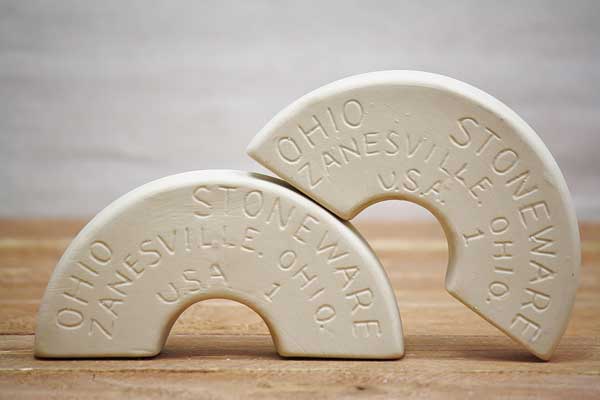
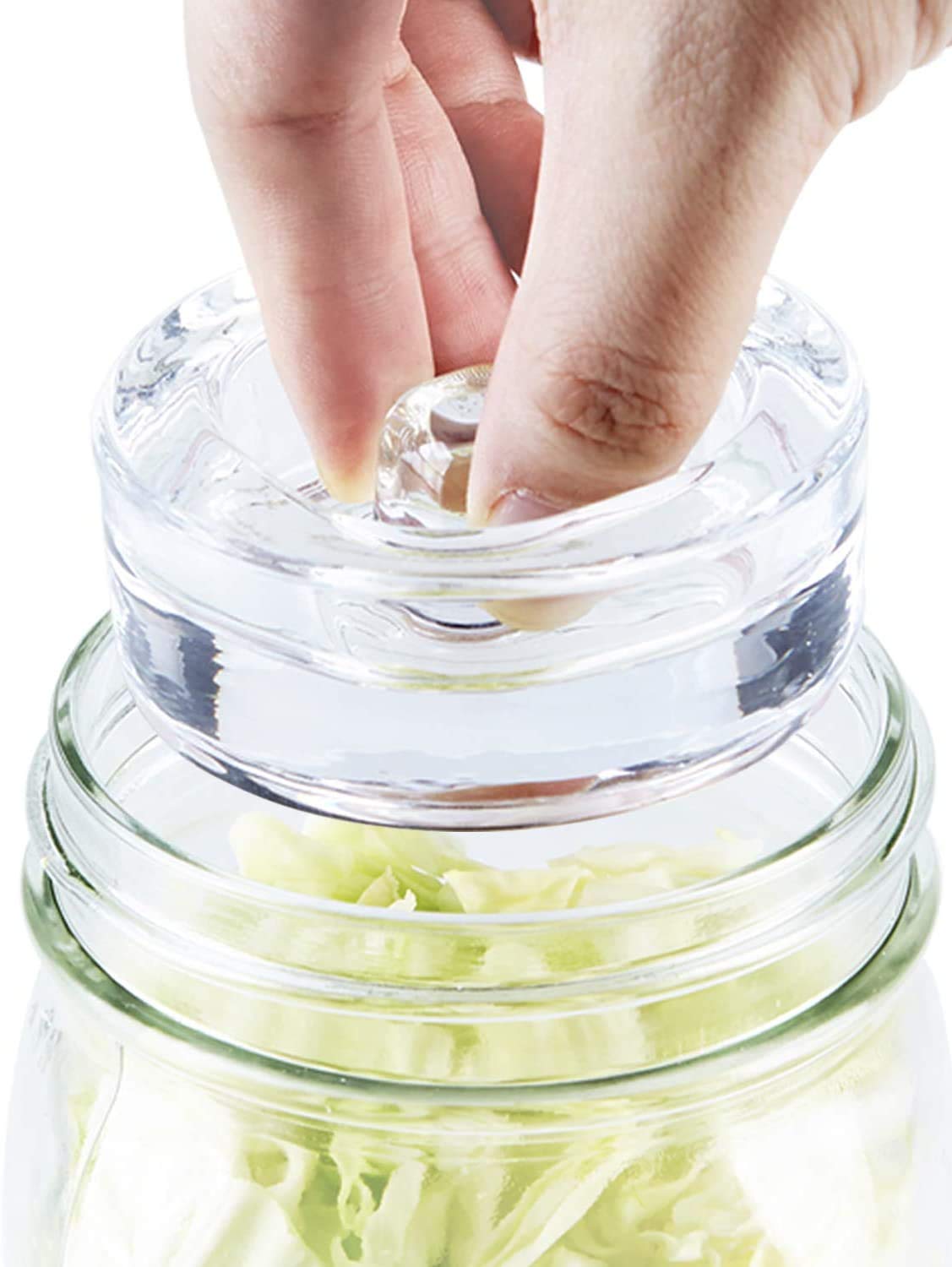
Keeping food submerged is critical to preventing mold.
Recommended Materials
- Glass weights
- Ceramic weights
Avoid using:
- Metal objects
- Improvised household items
Proper weights dramatically reduce fermentation failures.
4. pH Meter or pH Strips (Safety Tool)
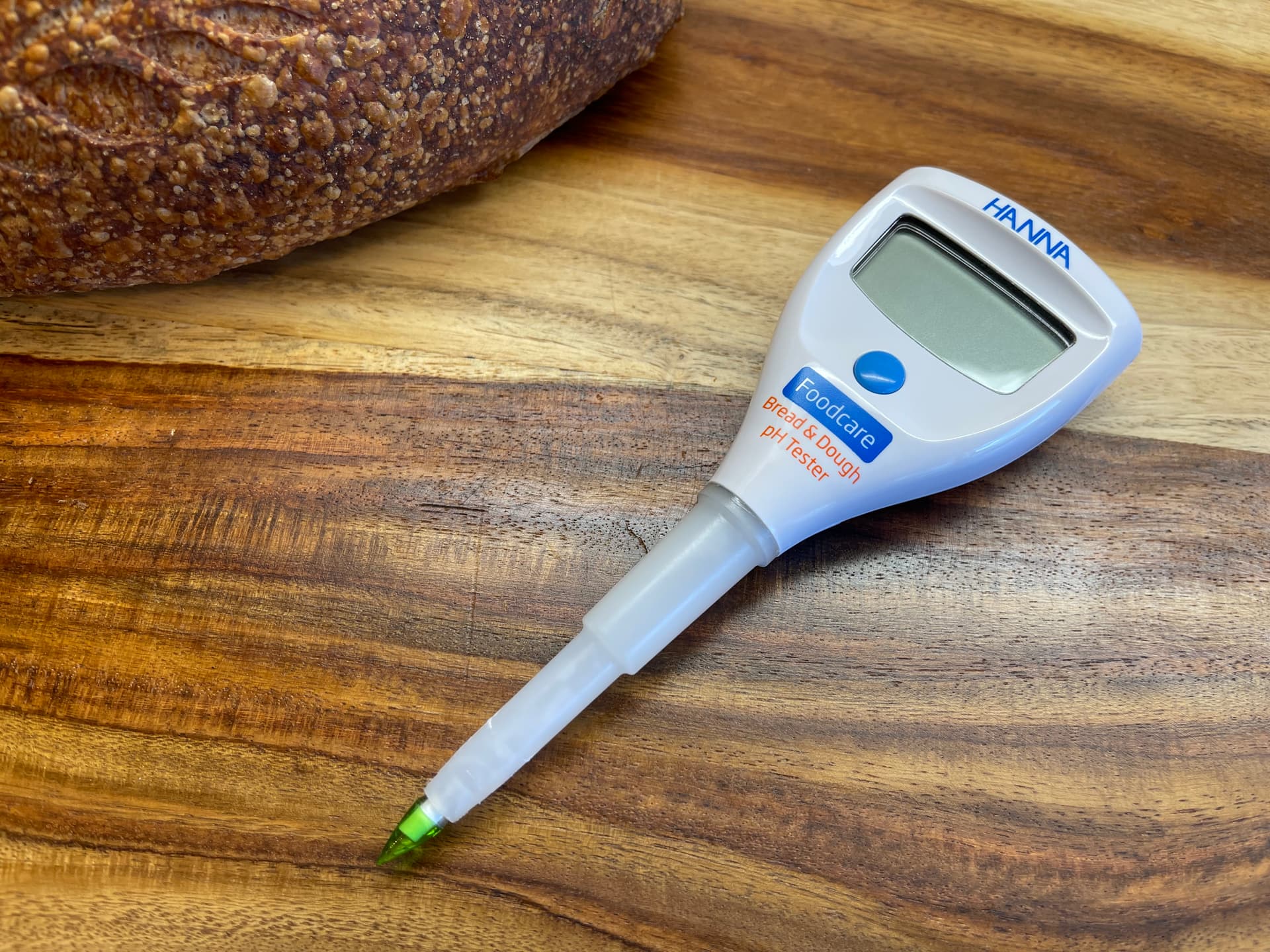
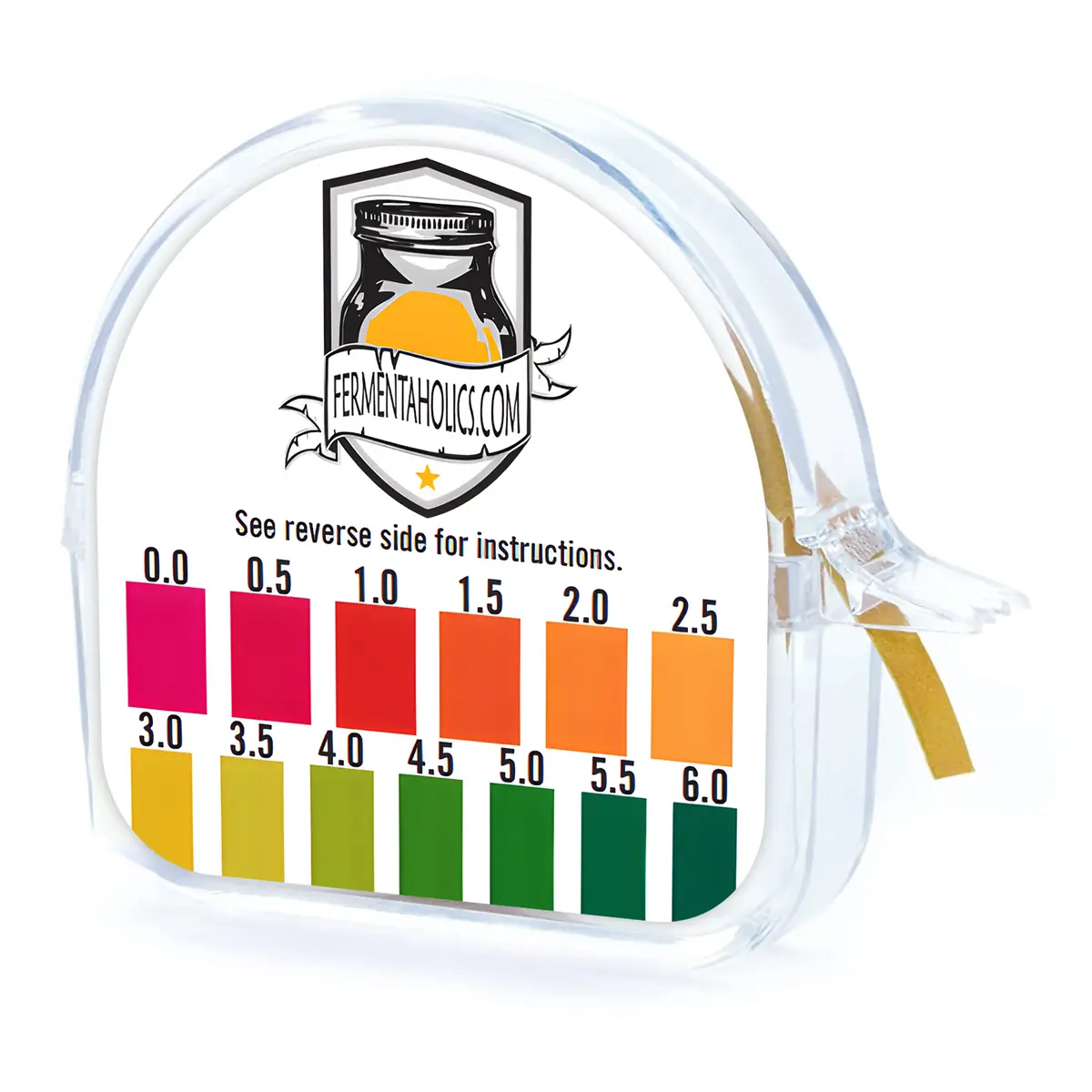
Monitoring acidity improves both food safety and consistency.
Why pH Matters
- Safe fermentation typically occurs below pH 4.6
- Helps identify stalled or unsafe ferments
A digital pH meter is recommended for anyone fermenting regularly.
Optional but Highly Useful Fermentation Tools
These tools improve efficiency and precision but are not strictly required.
5. Fermentation Weighing Scale
Accurate salt ratios are essential, especially for vegetable ferments.
- Digital kitchen scale preferred
- Enables precise 2–2.5% salt calculations
- Reduces guesswork
6. Temperature Control Tools
Fermentation is temperature-sensitive.
Helpful tools include:
- Stick-on jar thermometers
- Temperature-controlled fermentation boxes
- Simple kitchen thermometers
Ideal range for most ferments: 18–22°C (64–72°F)
7. Starter Cultures (Optional)
Some ferments rely on wild bacteria, while others benefit from starters.
Examples:
- Kombucha SCOBY
- Yogurt starter cultures
- Kefir grains
Starters improve consistency and reduce fermentation time.
Equipment by Fermentation Type
Vegetable Fermentation (Sauerkraut, Kimchi, Pickles)
- Glass jars or crocks
- Weights
- Airlocks
- Scale
- pH meter (recommended)
Kombucha Fermentation
- Large glass jar
- Breathable cloth (primary)
- Airtight bottles (secondary)
- pH meter
- SCOBY
Dairy Fermentation (Yogurt, Kefir)
- Glass containers
- Thermometer
- Starter cultures
Beginner vs Advanced Fermentation Setup
Beginner Setup (Minimal)
- Glass jar
- Silicone airlock lid
- Glass weight
- Kitchen scale
Advanced Setup
- Multiple jar sizes
- Water airlocks
- Digital pH meter
- Temperature control tools
- Dedicated fermentation space
Start simple. Upgrade only as your confidence grows.
Common Equipment Mistakes to Avoid
- Using reactive metals
- Skipping weights
- Ignoring temperature
- Overfilling jars
- Not cleaning equipment thoroughly
Most fermentation problems trace back to equipment misuse.
Frequently Asked Questions
Do I really need an airlock?
Not always, but airlocks significantly reduce mold risk and improve results.
Is a pH meter necessary?
For casual fermenters, no. For safety-conscious or frequent fermenters, yes.
Can I ferment without special equipment?
Yes—but success rates are lower, especially for beginners.
Final Thoughts
The best equipment for home fermentation is not about buying everything—it’s about choosing the right tools for your goals.
Start with the essentials, focus on safety, and expand your setup as your skills develop. With proper equipment, fermentation becomes reliable, enjoyable, and deeply rewarding.
This site is a participant in the Amazon Services LLC Associates Program and contains affiliate links to products. We may receive a commission for purchases made through these links.